

No products in the basket.
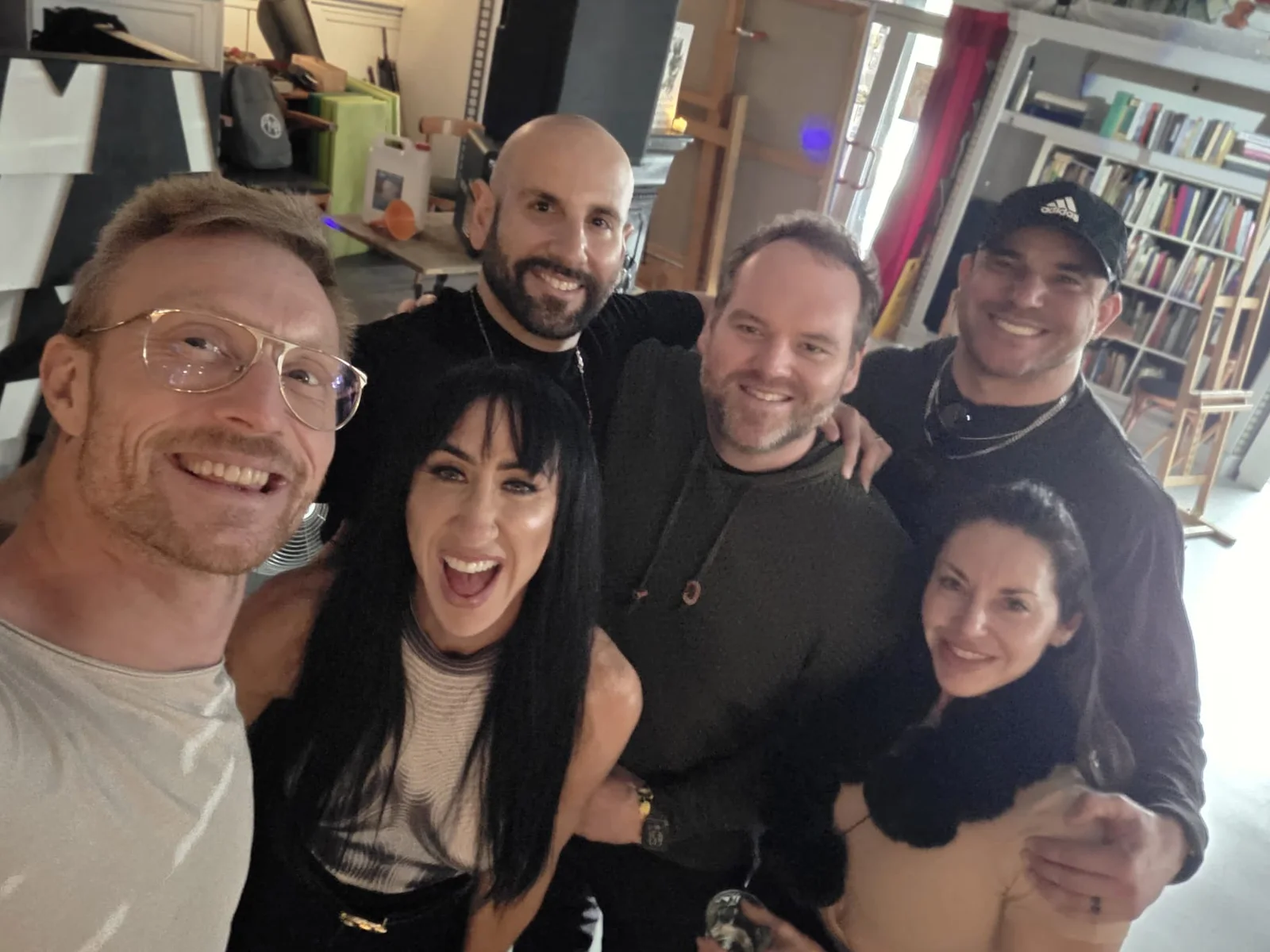
Every October, Amsterdam turns into the capital of electronic music for five days. Clubs open their doors in the afternoon, hotel lobbies fill with people carrying record bags and laptops, and you hear five languages in every tram. That is Amsterdam Dance Event, and this year it turned thirty. For me it has become the most important week of the year, not because of the big names on the posters, but because of what happens around them: this is where new producers find their people. I have been bringing my students together there for four years now, and I want to tell you why.
From 300 delegates to 600,000 visitors
ADE started small. The first edition, in 1996, was a three-day conference with about 300 delegates and thirty DJs: talks at De Balie during the day, shows at Paradiso, Melkweg and Escape at night. The idea was simple and, at the time, unusual: put the people who make dance music, the people who sell it and the people who dance to it in the same city for a few days and see what happens.
What happened is that it kept growing. The daytime programme became a proper industry conference, the nights spread to every club in the city, and from 2012 the event stretched from four days to five because the Sunday afterparties would not stop. Last year’s edition counted a record 600,000 visitors, close to 3,500 artists and more than 1,200 events in over 300 locations. The 2026 edition, the thirtieth, runs from Wednesday 21 to Sunday 25 October, and it is happening right now while I write this.
More than a festival: a school week for producers
If you only look at the line-ups you miss half of ADE. Underneath the festival is a conference with hundreds of talks, panels and workshops where producers, engineers, label people and software developers explain how they actually work. Ableton, Native Instruments and the other companies whose tools we use all year are there with their own people, showing new features and answering questions in person. ADE Lab, which moved to the Westergas site last year, is built for the next generation: demo listening sessions where you can play your track to an established producer and get honest feedback, hands-on sessions, and a crowd that is at the beginning of the same road you are on.
That is what makes ADE different from a normal festival for someone who is learning to produce. You can go to a club at night and hear how a track you love is built for a big system, and the next morning you can sit in a room with the person who made it and ask how they did the bass. Few places in the world offer that in one week, and it is a big reason why Amsterdam became the hub it is.
The Lessons in Live meetup
Lessons in Live students live everywhere: Spain, Germany, the UK, the US, Australia, Brazil. Most of them learn with me online and know each other from the Dojo, from chat and from the Zoom lessons, but they have never been in the same room. ADE solved that for us. Four years ago I started a Lessons in Live meetup on the Wednesday, the opening day of ADE, and it has become a fixed point in the year for a lot of us. Wednesday, four o’clock, Amsterdam. Everybody knows.
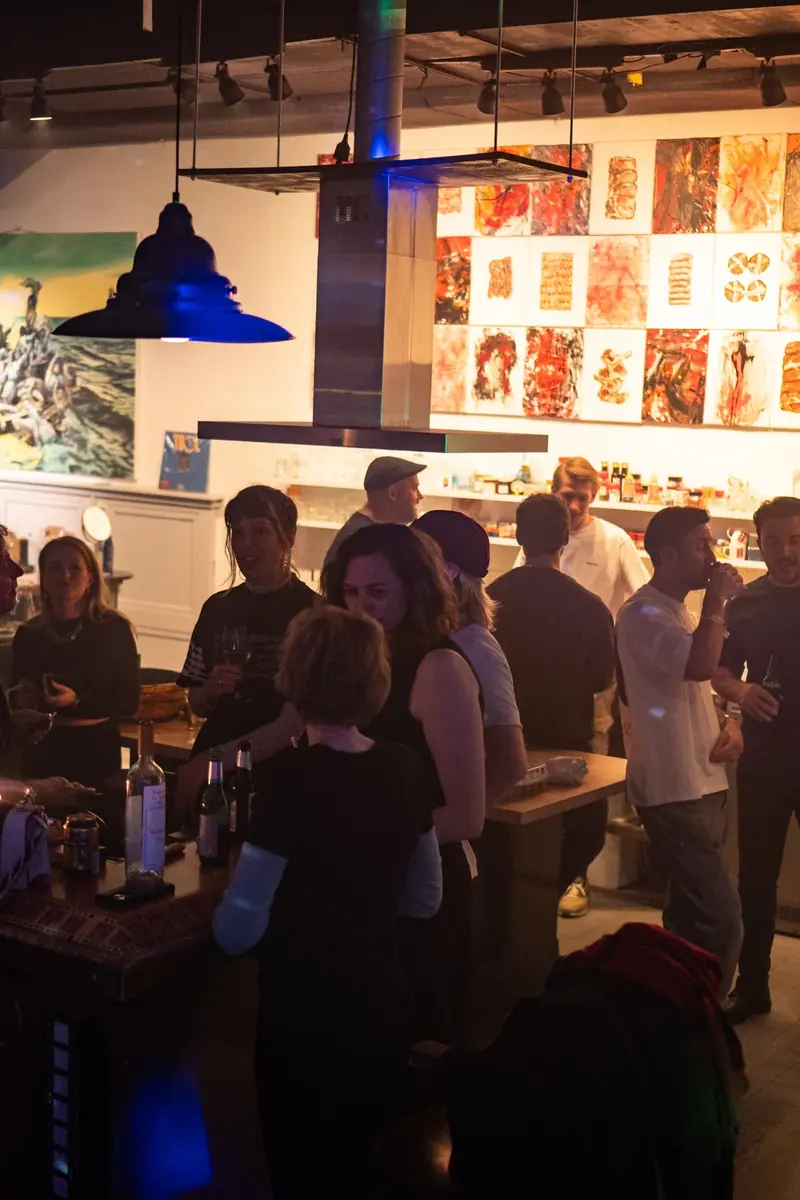
The idea is deliberately small. No stage with a famous name, no ticket, no agenda. A beautiful space in the city, a sound system, and a long afternoon that turns into a long night. People arrive from the airport with their suitcases still in hand. Someone who finished the Beginners course in spring meets someone from the Advanced course who has a release out and is playing big festivals by now. People show each other projects on their laptops, argue about kick drums, and trade tips they picked up at a talk that morning.
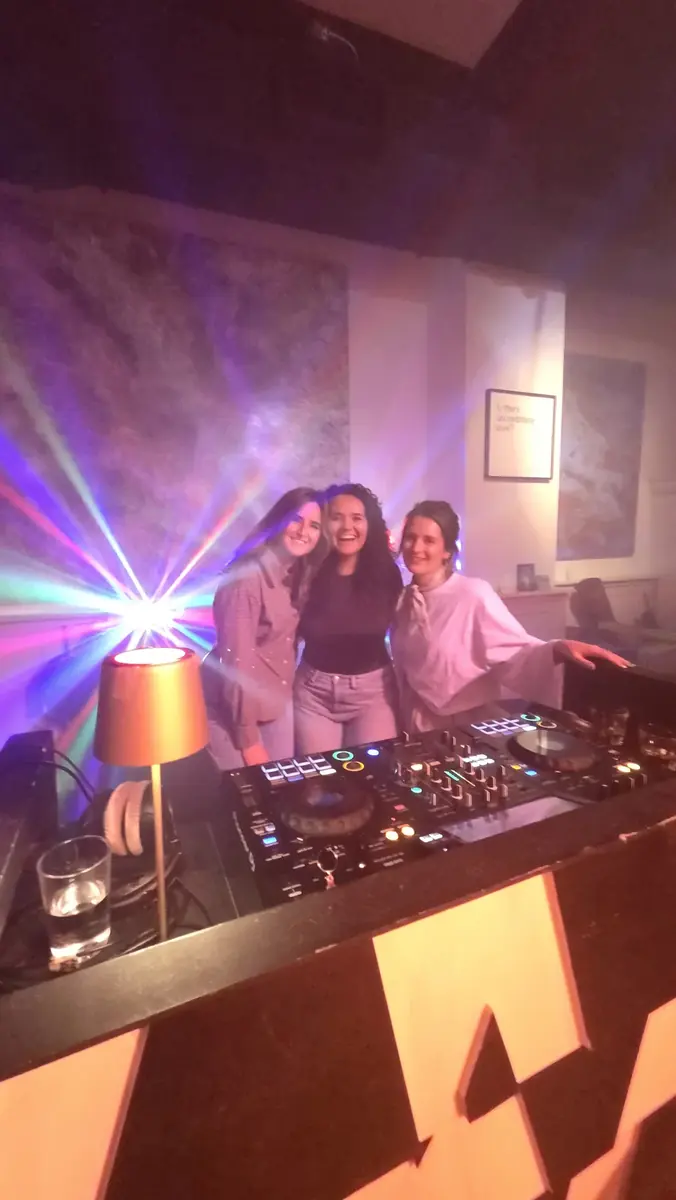
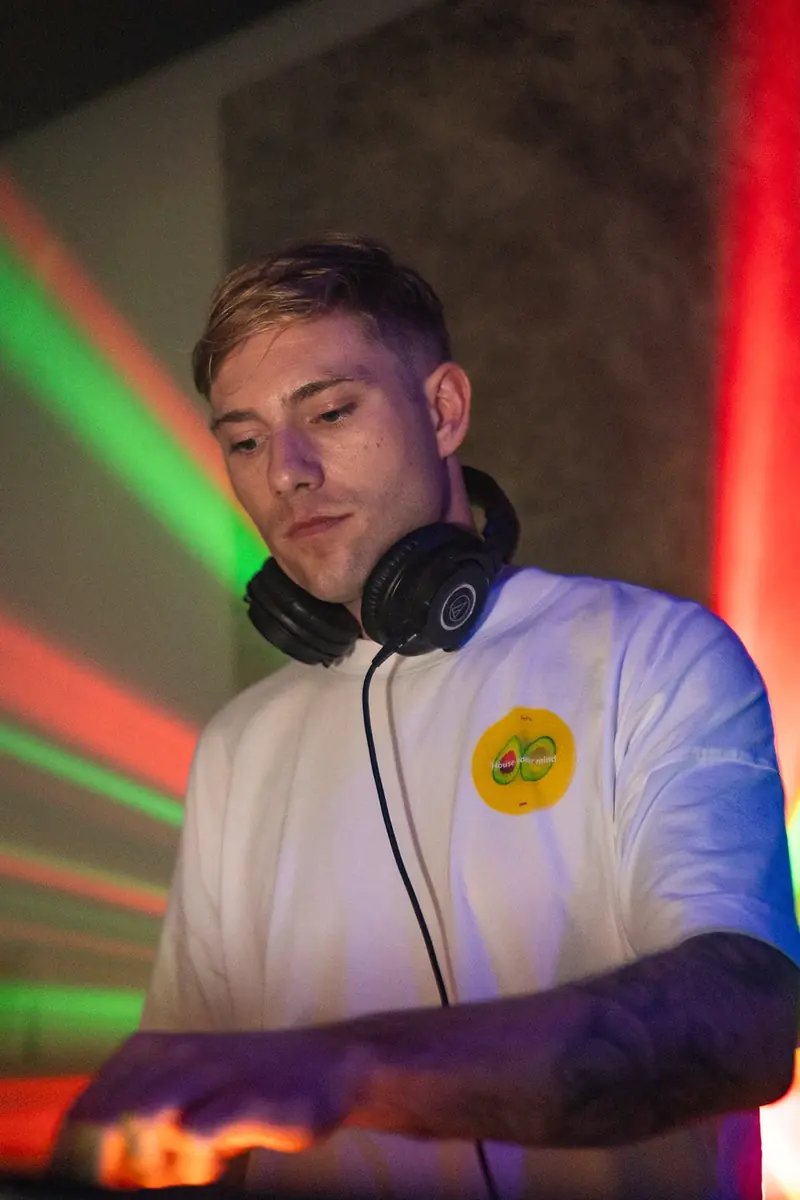
And then they play. Everyone who wants to gets a slot behind the decks, in a small setting, for people who are cheering for them. For a lot of students it is the first time they play their own music to a room, and doing it in Amsterdam, during ADE, in front of a crowd that understands exactly how much work went into it, is a memory they take home. I have watched people walk in shy and walk out with a gig for next year.
What people take home
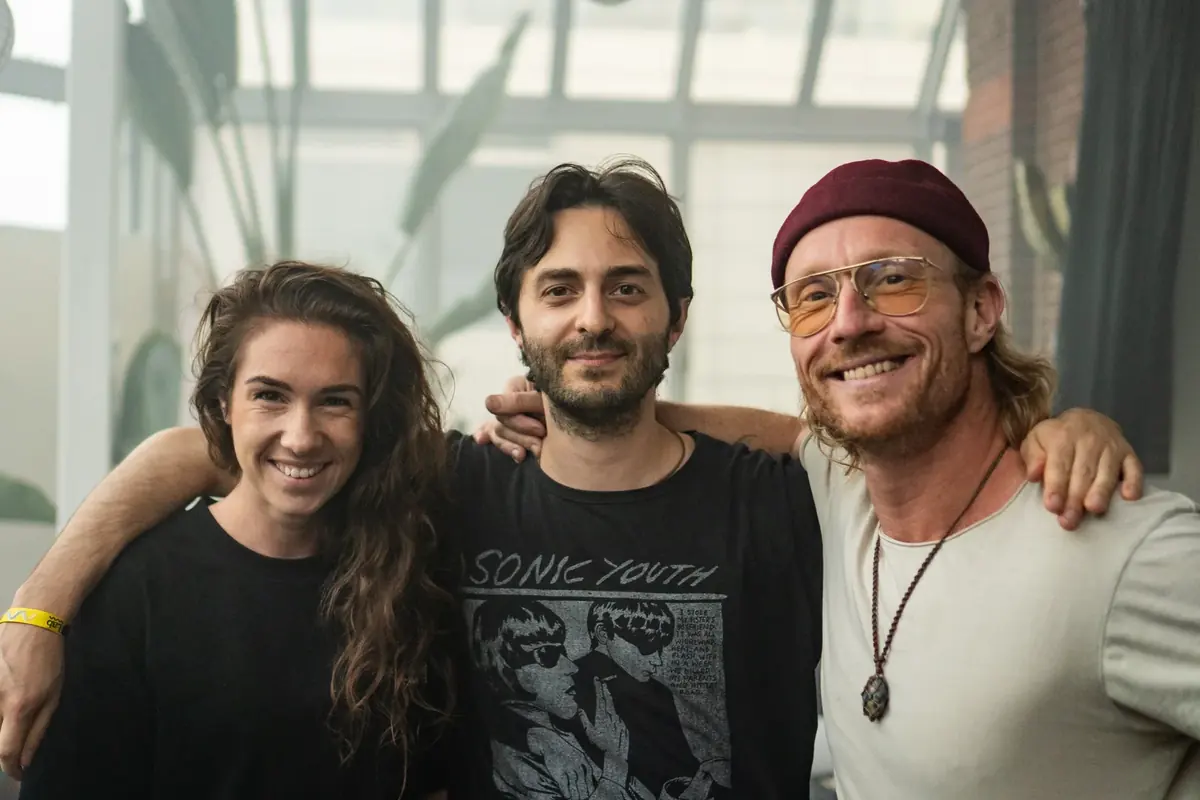
Inspiration is the obvious one. After five days of ADE everybody goes home with a notebook full of ideas and a hard drive full of samples. But the thing I hear most often afterwards is about connections: the collaboration that started over a beer, the feedback on a track that finally got it finished, the friend in another country who now listens to every demo. Producing is lonely work, hours alone with a laptop, and meeting the people on the other side of the screen changes how you feel about that work for the rest of the year.
It changes things for me too. Teaching online, you rarely see the whole picture. At the meetup I see the people behind the names in my inbox, hear their music on a real system and understand much better what to teach next. Several things in the courses came out of conversations at an ADE meetup.
I feel truly blessed to be a mentor for so many people, and that they believe in my work. What I want, and will always want, is a space where you can learn inside a community that supports one another and does not judge, where there is always inspiration to start your next track, in whatever style that may be. And where, hopefully, you find your own sound and your own strength among people who are rooting for you.
Come next year
If you are a Lessons in Live student, or you are thinking about becoming one, put the Wednesday of ADE in your calendar now. Book early, because the city fills up, and plan to stay the whole five days if you can: get a conference pass, go to the talks, play your track in a demo session, and come to the meetup to meet the rest of us. Bring a USB stick with a few of your tracks. You will probably get to play them.
Details for the meetup go out in the newsletter and in the Dojo every September. And if you were there this week: thank you. It was, again, the best Wednesday of the year.